Why DIY Lightning Protection Can Cost North Carolina Homeowners Thousands
With severe thunderstorms, coastal weather, and frequent lightning activity, North Carolina homeowners are increasingly looking for ways to protect their properties. While some may consider installing a DIY lightning protection system to save money, this approach often leads to costly mistakes, serious safety risks, and expensive repairs. In many cases, DIY lightning protection can end up costing homeowners thousands of dollars more than professional installation.
At Lightning Protection USA, we regularly inspect and repair improperly installed lightning protection systems across North Carolina—and the damage caused by DIY installations is often significant.
Why Lightning Protection Is Not a DIY Project
A lightning protection system is a highly specialized safety system designed to safely intercept and dissipate massive electrical energy. Lightning can carry millions of volts and must be controlled with precise design, placement, and grounding.
DIY systems often fail because:
- Lightning follows unpredictable paths
- Improper grounding increases fire risk
- Incorrect materials cannot handle lightning energy
- Small installation errors can cause catastrophic damage
Unlike home improvement projects, lightning protection mistakes may not be obvious—until a lightning strike occurs.
How DIY Lightning Protection Can Cost Thousands
-
Improper Grounding Leads to Fire and Structural Damage
Grounding is the most critical component of any lightning protection system. DIY installers often underestimate soil conditions, grounding depth, and bonding requirements—especially in North Carolina’s varied terrain and coastal areas.
Improper grounding can cause:
- Electrical arcing inside walls
- Fires in attics and roofing systems
- Damage to foundations and structural components
Fire and structural repairs can quickly cost thousands of dollars.
-
Electrical Damage to Appliances and Systems
DIY lightning protection systems frequently lack proper bonding and coordination with surge protection devices. When lightning energy enters a home’s electrical system, it can destroy:
- HVAC systems
- Appliances and electronics
- Security and communication systems
Replacing damaged equipment often exceeds the cost of professional lightning protection installation.
-
Code and Standards Violations
Lightning protection systems must follow recognized lightning protection system (LPS) standards to function correctly. DIY installations often fail to meet these standards due to incorrect spacing, conductor sizing, or grounding methods.
Non-compliant systems may:
- Fail inspections
- Require complete removal and replacement
- Void insurance coverage after a lightning-related loss
Correcting these issues can double or triple the original installation cost.
-
False Sense of Security
One of the most dangerous outcomes of DIY lightning protection is the belief that a home is protected when it is not. An improperly installed system can actually increase the risk of damage by attracting lightning without providing a safe path to ground.
This false sense of security can lead to devastating consequences during severe North Carolina storms.
Why Professional Lightning Protection Is Worth the Investment
Professional lightning protection contractors understand:
- North Carolina weather patterns and lightning risk
- Coastal and inland soil conditions
- Proper conductor routing and bonding
- Safe grounding techniques
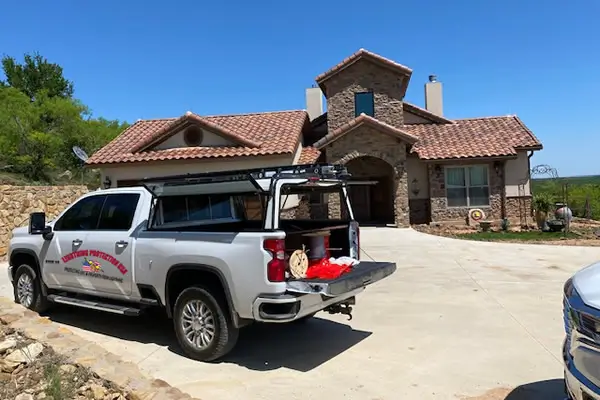
At Lightning Protection USA, our systems are carefully designed and installed to safely manage lightning energy and reduce the risk of fire, electrical damage, and structural loss.
Trusted Lightning Protection for North Carolina Homes
Lightning Protection USA provides professional lightning protection services throughout North Carolina, including coastal and waterfront communities. Our experienced team installs systems that are built to perform under real-world storm conditions.
When you choose professional installation, you benefit from:
- Proper system design and placement
- High-quality materials built for lightning exposure
- Installations aligned with recognized LPS standards
- Long-term protection and peace of mind
Protect Your North Carolina Home the Right Way
While DIY lightning protection may seem like a cost-saving option, the risks and potential expenses often far outweigh the initial savings. Improper installation can lead to fires, electrical damage, insurance issues, and costly repairs—turning a DIY project into a financial burden.
For North Carolina homeowners, the safest and most cost-effective approach is professional lightning protection installation.
Visit www.lightningprotectionusa.com to learn more about professional lightning protection solutions designed to protect your home, your family, and your investment from lightning-related damage.
Frequently Asked Questions About DIY Lightning Protection in North Carolina
Is DIY lightning protection safe for homes in North Carolina?
DIY lightning protection is strongly discouraged in North Carolina due to the state’s frequent thunderstorms and coastal weather conditions. Improper installation can increase the risk of fire, electrical damage, and structural loss.
Why does DIY lightning protection often fail?
DIY systems often fail because lightning protection requires precise grounding, bonding, and system design. Small installation errors can cause lightning energy to travel through walls, wiring, or roofing materials instead of safely into the ground.
Can a DIY lightning protection system damage my home?
Yes. Improper grounding or conductor placement can cause electrical arcing, fires, appliance damage, and structural issues—leading to repairs that can cost thousands of dollars.
Will insurance cover damage from a DIY lightning protection system?
In many cases, insurance providers may deny or limit coverage if a lightning protection system was not professionally installed or does not meet recognized lightning protection standards.
Are lightning protection systems required to meet standards?
Yes. Lightning protection systems should follow recognized lightning protection system (LPS) standards to ensure they safely manage lightning energy and reduce risk.
Why is professional lightning protection recommended in North Carolina?
Professional contractors understand North Carolina’s soil conditions, weather patterns, and building styles. This expertise ensures systems are properly designed, grounded, and installed for reliable protection.
Is professional lightning protection worth the cost?
Yes. Professional installation helps prevent fires, electrical damage, and costly repairs—making it a smart long-term investment for North Carolina homeowners.
What should homeowners do instead of installing DIY lightning protection?
Homeowners should consult a professional lightning protection contractor for system design, installation, inspection, and maintenance to ensure safe and effective protection.
North Carolina Service Area:
We provide professional and reliable services throughout North Carolina, including the scenic coast, Outer Banks, and mountain communities. Along the coast and Outer Banks, we serve Kitty Hawk, Kill Devil Hills, Duck, Nags Head, Morehead City, New Bern, and Jacksonville, offering top-quality solutions for both residential and commercial needs. Inland, our services cover Durham, Chapel Hill, Charlotte, Raleigh, Hickory, Asheville, Boone, Cashiers, Franklin, Hendersonville, Highlands, Waynesville, and Murphys, ensuring dependable service across the state. Whether you’re in the mountains, cities, or along the shore, our experienced team delivers trusted solutions tailored to your North Carolina home or business.
Lightning Protection USA provides professional lightning protection system installation for residential and commercial properties nationwide, with a strong focus on North Carolina, South Carolina, Georgia, Tennessee, and Alabama. With over 50 years of experience spanning four generations, our locally owned company specializes in the design, installation, repair, maintenance, testing, and inspection of high-quality lightning protection systems.
Discover North Carolina areas where lightning protection is a must-have for safety and peace of mind: