Why Coastal Homes in North Carolina Need Lightning Rods
North Carolina’s coastline offers beautiful waterfront living, but it also exposes homes to powerful storms and frequent lightning activity. Coastal weather patterns, open terrain, and proximity to water significantly increase the risk of lightning strikes. For homeowners along the coast, installing lightning rods as part of a professionally designed lightning protection system is one of the most effective ways to protect property, occupants, and valuable systems.
At Lightning Protection USA, we help homeowners throughout North Carolina safeguard their homes from lightning-related damage using professionally installed lightning protection systems.
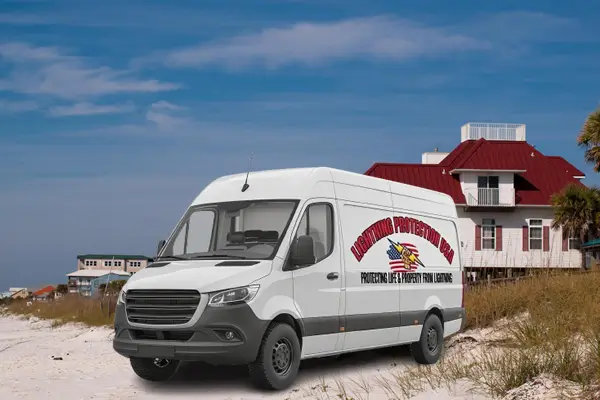
North Carolina’s Coastal Environment Increases Lightning Risk
Lightning activity is common throughout North Carolina, particularly in coastal regions where warm, humid air interacts with storm systems moving inland from the Atlantic Ocean. Coastal towns often experience sudden thunderstorms, tropical systems, and extended storm seasons that increase lightning exposure.
Homes located in coastal and near-coastal communities such as Wilmington, Wrightsville Beach, Carolina Beach, Kure Beach, Topsail Beach, Surf City, Emerald Isle, Atlantic Beach, Beaufort, Morehead City, Nags Head, Kill Devil Hills, Kitty Hawk, Duck, and Corolla are especially vulnerable due to flat landscapes, limited natural barriers, and elevated construction.
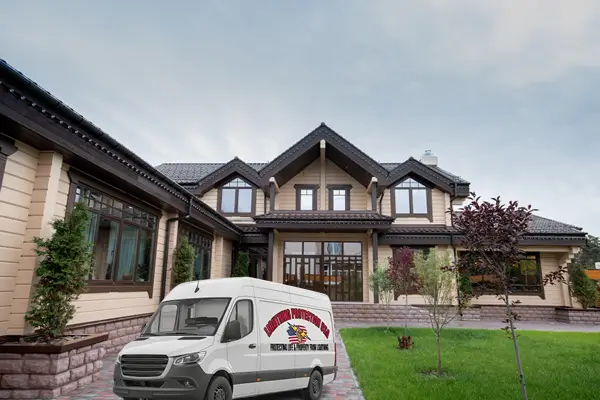
How Lightning Rods Protect Coastal Homes in North Carolina
Lightning rods, also known as air terminals, are designed to safely intercept lightning and direct its electrical energy into the ground. They do not attract lightning. Instead, they provide a controlled, low-resistance path that prevents lightning energy from traveling through roofing materials, framing, or electrical systems.
For coastal homes in North Carolina, lightning rods help:
- Reduce the risk of roof and attic fires
- Protect structural components from direct strikes
- Minimize damage to electrical and mechanical systems
- Improve overall storm safety
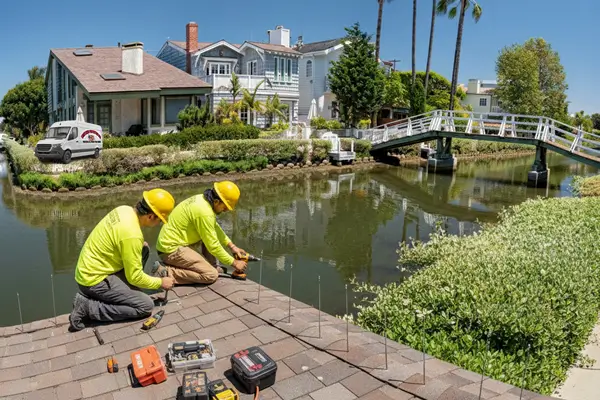
Lightning Rods Are Most Effective as Part of a Complete System
Lightning rods are only one component of a complete lightning protection system. Proper protection requires:
- Strategically placed air terminals
- Conductors to carry lightning energy safely downward
- Grounding systems designed for coastal and sandy soil
- Bonding to prevent side flashes and electrical surges
North Carolina’s coastal soil conditions require specific grounding techniques to ensure lightning energy is safely dissipated into the earth.
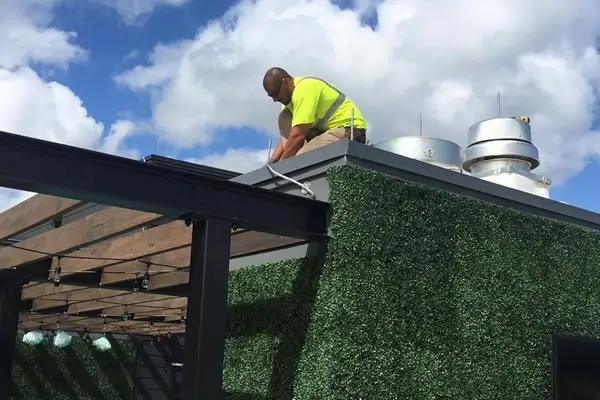
Why Coastal Homes Are More Vulnerable to Lightning Damage
Many coastal homes in North Carolina feature elevated construction, open exposure, and modern building materials. Metal roofing, railings, and rooftop equipment can increase the potential impact of a lightning strike if the home is not properly protected.
Salt air and moisture can also accelerate wear on building components, making professionally installed lightning protection systems especially important for long-term safety.
Why Professional Installation Matters
Lightning protection systems must be installed correctly to function safely and effectively. Improper placement, incomplete bonding, or inadequate grounding can increase the risk of damage during a lightning event.
At Lightning Protection USA, our experienced contractors understand:
- Coastal construction methods
- North Carolina weather and lightning patterns
- Soil resistivity and grounding requirements
- Recognized lightning protection system standards
Our systems are designed to safely manage lightning energy and protect homes during severe weather.
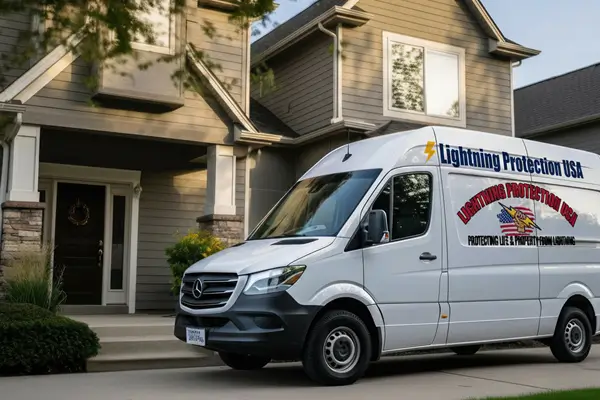
Are Lightning Rods Worth It for North Carolina Coastal Homes?
For homeowners in North Carolina’s coastal communities, lightning rods are a smart investment. The cost of a professionally installed lightning protection system is minimal compared to the potential damage caused by a single lightning strike, which can result in fires, structural damage, and electrical failures.
Homes with modern electronics, HVAC systems, and smart technology benefit even more from comprehensive lightning protection.
Protect Your North Carolina Coastal Home With Lightning Protection USA
Lightning rods do protect homes when they are installed as part of a complete lightning protection system. For coastal North Carolina properties, proper system design and professional installation are essential.
Lightning Protection USA provides reliable lightning protection solutions for homes throughout North Carolina, including coastal and waterfront communities. A professional evaluation can help determine whether your home is adequately protected before the next storm season.
Visit LightningProtectionUSA.com to learn more about protecting your North Carolina home from lightning.
Why are coastal homes in North Carolina at higher risk for lightning?
Coastal North Carolina experiences frequent thunderstorms due to warm, humid air and Atlantic storm systems. Open terrain and proximity to water increase lightning exposure for coastal homes. According to the National Weather Service, coastal regions are more prone to lightning strikes.
👉 Source: National Weather Service – Lightning Safety
Do homes near the coast in North Carolina need lightning rods?
Yes. Homes in coastal communities are more exposed due to elevation, lack of natural barriers, and weather patterns. NOAA notes that coastal environments increase the intensity and frequency of storms, making professional lightning protection essential.
👉 Source: NOAA – Coastal Hazards
Do lightning rods actually protect North Carolina homes?
Lightning rods protect homes when they are part of a complete lightning protection system. They safely intercept lightning and redirect electrical energy into the ground, reducing fire and structural damage. The NFPA confirms that lightning is a leading cause of residential fires without proper protection.
👉 Source: NFPA – Fire & Lightning Safety
Are lightning protection systems effective in sandy coastal soil?
Yes. Professional systems are designed to account for sandy soil conditions common along the North Carolina coast. The National Severe Storms Laboratory explains that proper grounding is critical to safely dissipate lightning energy and protect homes.
👉 Source: NOAA National Severe Storms Laboratory
Is professional installation necessary for lightning rods?
Professional installation is strongly recommended. Improper placement or grounding can increase the risk of damage. The CDC highlights that lightning is a major hazard, and professionally installed systems help prevent fires, injuries, and structural damage.
👉 Source: CDC – Lightning Safety
How often should lightning protection systems be inspected in coastal North Carolina?
Homes in coastal areas should have lightning protection systems inspected regularly to ensure proper grounding and that components are intact. FEMA recommends periodic checks for storm preparedness and safety systems in coastal regions.
👉 Source: FEMA – Ready.gov
Are lightning rods worth the investment for North Carolina coastal homes?
Yes. The cost of installing a professionally designed lightning protection system is small compared to the potential damage from a single strike, which can include fires, electrical failures, and expensive structural repairs. National Geographic highlights the unpredictable power of lightning and the importance of protective measures.
👉 Source: National Geographic – Lightning Explained
North Carolina Service Area:
We provide professional and reliable services throughout North Carolina, including the scenic coast, Outer Banks, and mountain communities. Along the coast and Outer Banks, we serve Kitty Hawk, Kill Devil Hills, Duck, Nags Head, Morehead City, New Bern, and Jacksonville, offering top-quality solutions for both residential and commercial needs. Inland, our services cover Durham, Chapel Hill, Charlotte, Raleigh, Hickory, Asheville, Boone, Cashiers, Franklin, Hendersonville, Highlands, Waynesville, and Murphys, ensuring dependable service across the state. Whether you’re in the mountains, cities, or along the shore, our experienced team delivers trusted solutions tailored to your North Carolina home or business.
Lightning Protection USA provides professional lightning protection system installation for residential and commercial properties nationwide, with a strong focus on North Carolina, South Carolina, Georgia, Tennessee, and Alabama. With over 50 years of experience spanning four generations, our locally owned company specializes in the design, installation, repair, maintenance, testing, and inspection of high-quality lightning protection systems.
Discover North Carolina areas where lightning protection is a must-have for safety and peace of mind: