Do Lightning Rods Protect My House? What Homeowners Need to Know
Lightning strikes are one of nature’s most powerful and unpredictable forces. Each year, lightning causes fires, electrical damage, and structural losses across the United States—especially in storm-prone regions like the Southeast. Many homeowners ask an important question: Do lightning rods really protect my house?
The short answer is yes—when properly designed and installed as part of a complete lightning protection system. Understanding how lightning rods work and why professional installation matters can help you make informed decisions about protecting your home and family.
How Lightning Rods Protect a Home
A lightning rod, also known as an air terminal, is designed to intercept a lightning strike and safely redirect its energy away from your home. Contrary to common myths, lightning rods do not attract lightning. Instead, they provide a preferred, controlled path for lightning energy to travel safely into the ground.
According to the National Weather Service, lightning can strike miles away from a storm and travel through conductive materials such as wiring, plumbing, and metal components inside a home, making protection critical during severe weather
👉 https://www.weather.gov/safety/lightning
Lightning Rods Are Part of a Complete Lightning Protection System
A lightning rod alone is not enough. Effective protection requires a complete lightning protection system, which includes:
-
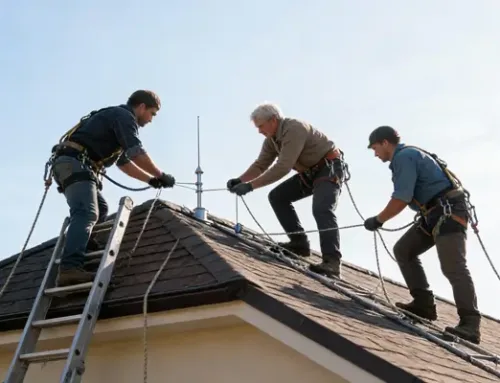
Air terminals (lightning rods) placed at key roof points
-
Conductors that carry lightning energy downward
-
Grounding electrodes that safely dissipate energy into the earth
-
Bonding to reduce dangerous side flashes
When installed correctly, these components work together to reduce the risk of fire, electrical surges, and structural damage.
The National Fire Protection Association (NFPA) explains that lightning protection systems help prevent lightning-related fires by safely controlling electrical energy rather than allowing it to pass through building materials
👉 https://www.nfpa.org/education-and-research/home-fire-safety/lightning

What Lightning Rods Can and Cannot Do
What Lightning Rods DO:
-
Reduce the risk of structural fires
-
Protect roofing materials and framing
-
Help prevent lightning energy from traveling through walls
-
Work with surge protection to protect electrical systems
What Lightning Rods DO NOT:
-
Prevent lightning from occurring
-
Eliminate all electrical surge risks without proper bonding
-
Replace surge protection devices
According to FEMA, lightning protection is part of a broader safety strategy that includes proper grounding, bonding, and surge protection
👉 https://www.ready.gov/lightning
Why Professional Installation Matters
Lightning carries millions of volts of electricity. Improper installation can actually increase the risk of damage by providing an incomplete or unsafe path to ground.
Professional lightning protection contractors understand:
-
Proper air terminal placement
-
Conductor sizing and routing
-
Soil conditions and grounding requirements
-
Recognized lightning protection system (LPS) standards
The CDC notes that lightning injuries and damage often occur when people underestimate lightning risks or rely on improper protection methods
👉 https://www.cdc.gov/disasters/lightning
Are Lightning Rods Worth It for Homes?
For homes in areas with frequent thunderstorms, lightning rods are a proven and worthwhile investment. Homes located near open land, water, elevated terrain, or coastal regions face even higher risk.
Research shared by National Geographic highlights the immense power and unpredictability of lightning, reinforcing why controlled protection systems are critical for buildings
👉 https://www.nationalgeographic.com/science/article/lightning
Lightning Rods and Modern Homes
Modern homes contain more electronics than ever before. While lightning rods help protect the structure, they are most effective when paired with surge protection devices that help safeguard appliances, HVAC systems, and sensitive electronics.
The UL Safety Foundation emphasizes the importance of combining structural protection with electrical safety measures to reduce storm-related damage
👉 https://safety.ul.org/natural-disasters/severe-weather
So, Do Lightning Rods Protect Your House?
Yes—lightning rods do protect your house when they are part of a professionally installed lightning protection system. They reduce the risk of fire, structural damage, and dangerous electrical paths by safely directing lightning energy into the ground.
However, protection depends on:
-
Proper system design
-
Correct installation
-
Compliance with recognized safety standards
-
Ongoing inspection and maintenance
Protect Your Home with Professional Lightning Protection
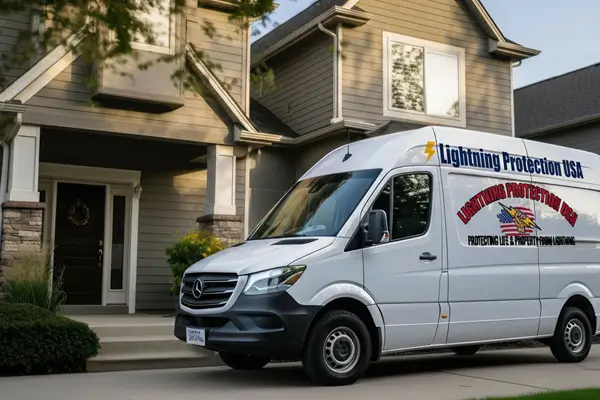
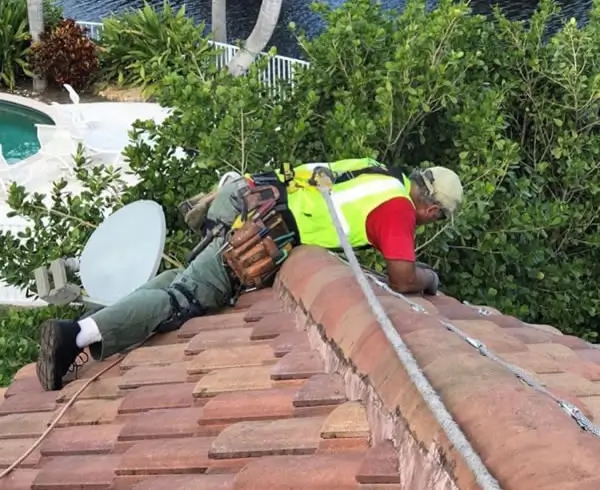
At Lightning Protection USA, we design and install lightning protection systems that follow recognized lightning protection principles and best practices. Our goal is to help homeowners protect their property, families, and peace of mind during severe storms.
If you’re wondering whether your home is properly protected from lightning, a professional evaluation can make all the difference.
Visit www.lightningprotectionusa.com to learn more about lightning rods, complete lightning protection systems, and professional solutions designed to keep your home safe when storms strike.
North Carolina Service Area:
We provide professional and reliable services throughout North Carolina, including the scenic coast, Outer Banks, and mountain communities. Along the coast and Outer Banks, we serve Kitty Hawk, Kill Devil Hills, Duck, Nags Head, Morehead City, New Bern, and Jacksonville, offering top-quality solutions for both residential and commercial needs. Inland, our services cover Durham, Chapel Hill, Charlotte, Raleigh, Hickory, Asheville, Boone, Cashiers, Franklin, Hendersonville, Highlands, Waynesville, and Murphys, ensuring dependable service across the state. Whether you’re in the mountains, cities, or along the shore, our experienced team delivers trusted solutions tailored to your North Carolina home or business.
Lightning Protection USA provides professional lightning protection system installation for residential and commercial properties nationwide, with a strong focus on North Carolina, South Carolina, Georgia, Tennessee, and Alabama. With over 50 years of experience spanning four generations, our locally owned company specializes in the design, installation, repair, maintenance, testing, and inspection of high-quality lightning protection systems.
Discover North Carolina areas where lightning protection is a must-have for safety and peace of mind: