Protecting North Caroline Home and Business from Lightning
North Carolina experiences frequent thunderstorms, especially along the coast and near large bodies of water, making lightning a serious risk for homeowners, business owners, and property managers. From coastal communities to inland waterfront properties, lightning strikes can cause devastating fires, electrical damage, and costly downtime. The question every property owner should ask is simple: Is your home or business truly protected from lightning?
Why Lightning Is a Major Threat in North Carolina
North Carolina’s geography makes it especially vulnerable to lightning activity. Coastal exposure, warm humid air, and frequent storm systems create ideal conditions for lightning strikes—particularly near water. Properties located near the Atlantic Ocean, sounds, rivers, and lakes face a higher risk due to increased electrical conductivity and elevated terrain.
Some of the most lightning-prone North Carolina cities and communities near water include:
- Wilmington
- Wrightsville Beach
- Carolina Beach
- Kure Beach
- Morehead City
- Beaufort
- New Bern
- Jacksonville
- Elizabeth City
- Kitty Hawk
- Nags Head
- Manteo
- Duck
- Emerald Isle
- Southport
- Oriental
- Bath
- Belhaven
Homes and businesses along the Outer Banks, Cape Fear River, Pamlico Sound, Neuse River, and Intracoastal Waterway are particularly exposed to lightning-related damage.
The Hidden Dangers of Lightning Strikes
Many property owners mistakenly believe that basic grounding or insurance coverage is enough. In reality, a lightning strike can travel through roofing systems, electrical wiring, plumbing, fencing, and even nearby trees—causing fires and internal damage in seconds.
For residential properties, lightning can destroy appliances, HVAC systems, electronics, and structural components. For commercial and industrial properties, the risks include operational shutdowns, damaged equipment, data loss, and safety hazards for employees and customers. Agricultural properties, waterfront marinas, and coastal facilities face even greater exposure.
Why Lightning Protection Systems Are Essential
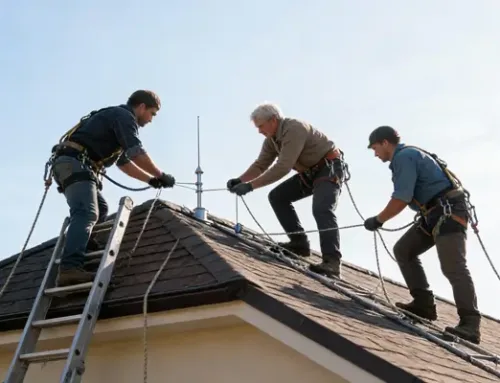
A professionally designed lightning protection system safely intercepts lightning energy and directs it into the ground through a controlled, low-resistance path—away from the structure. This significantly reduces the risk of fire, electrical surges, and catastrophic damage.
At Lightning Protection USA, every system is custom-designed to meet the unique needs of each property. There is no one-size-fits-all solution. Building height, roof design, proximity to water, surrounding terrain, and property use all play a critical role in proper system design.
Protecting Coastal and Waterfront Properties
Waterfront and coastal properties in North Carolina face increased lightning risk due to open exposure and elevated conductivity. Homes, businesses, marinas, and agricultural structures near water require specialized lightning protection and grounding solutions to ensure complete safety.
Lightning Protection USA provides professional lightning protection design, installation, and inspection services for:
- Residential homes and estates
- Commercial buildings and offices
- Industrial and manufacturing facilities
- Agricultural barns and farms
- Churches, schools, and historic properties
- Coastal homes, marinas, and waterfront facilities
Whether protecting a beach home in the Outer Banks or a commercial facility along the coast, proactive lightning protection is critical. We use high quality UL Listed materials and follow
Built to National Safety Standards
A lightning protection system is only effective when installed correctly. Lightning Protection USA uses UL-listed materials and follows all NFPA 780 and UL 96A standards, ensuring every system meets nationally recognized safety and performance guidelines.
Routine inspections are also essential—especially for coastal properties exposed to salt air, corrosion, and severe weather. Lightning Protection USA offers inspection and maintenance services to keep systems compliant and effective over time.
The Cost of Waiting Until After a Strike
The cost of installing a lightning protection system is minimal compared to the expense of repairing damage caused by a single lightning strike. Fires, insurance claims, equipment replacement, business interruption, and safety risks can be devastating.
Lightning protection is a proactive investment that protects your property, your people, and your peace of mind—before damage occurs.
Choose Lightning Protection USA in North Carolina
Lightning Protection USA delivers reliable, code-compliant lightning protection solutions throughout North Carolina, including coastal and waterfront communities. With expert design, professional installation, and strict adherence to safety standards, Lightning Protection USA helps ensure your home or business is protected—no matter where storms strike.
Don’t wait for lightning to strike. Protect your North Carolina property today.
Frequently Asked Questions (FAQs)
Do coastal properties in North Carolina need lightning protection?
Yes. Coastal and waterfront properties are at higher risk due to open exposure, elevated terrain, and proximity to water, which increases lightning conductivity.
Is lightning protection required by code in North Carolina?
Lightning protection is not always required by local code, but it is strongly recommended for homes, businesses, agricultural buildings, and critical infrastructure—especially in lightning-prone areas.
Does lightning protection prevent fires?
Yes. A properly installed lightning protection system significantly reduces the risk of fires by safely directing lightning energy away from the structure.
How long does a lightning protection system last?
When installed using UL-listed materials and maintained properly, lightning protection systems are designed to last for decades.
Does insurance replace the need for lightning protection?
No. Insurance helps after damage occurs, while lightning protection helps prevent damage in the first place.
North Carolina Service Area:
We provide professional and reliable services throughout North Carolina, including the scenic coast, Outer Banks, and mountain communities. Along the coast and Outer Banks, we serve Kitty Hawk, Kill Devil Hills, Duck, Nags Head, Morehead City, New Bern, and Jacksonville, offering top-quality solutions for both residential and commercial needs. Inland, our services cover Durham, Chapel Hill, Charlotte, Raleigh, Hickory, Asheville, Boone, Cashiers, Franklin, Hendersonville, Highlands, Waynesville, and Murphys, ensuring dependable service across the state. Whether you’re in the mountains, cities, or along the shore, our experienced team delivers trusted solutions tailored to your North Carolina home or business.
Lightning Protection USA provides professional lightning protection system installation for residential and commercial properties nationwide, with a strong focus on North Carolina, South Carolina, Georgia, Tennessee, and Alabama. With over 50 years of experience spanning four generations, our locally owned company specializes in the design, installation, repair, maintenance, testing, and inspection of high-quality lightning protection systems.